

Key Takeaways
Rent vs. sell comes down to your numbers, timeline, and goals. Compare projected rental cash flow, equity, appreciation potential, and the amount you’d net from a sale.
Canton and Woodstock’s growth can make renting attractive, particularly for well-maintained 3- and 4-bedroom homes in the I-575 corridor, where single-family rental demand remains strong.
Taxes and landlord responsibilities matter. Depreciation recapture, the Section 121 exclusion, potential 1031 exchanges, maintenance, and tenant management can significantly affect which option makes the most sense.
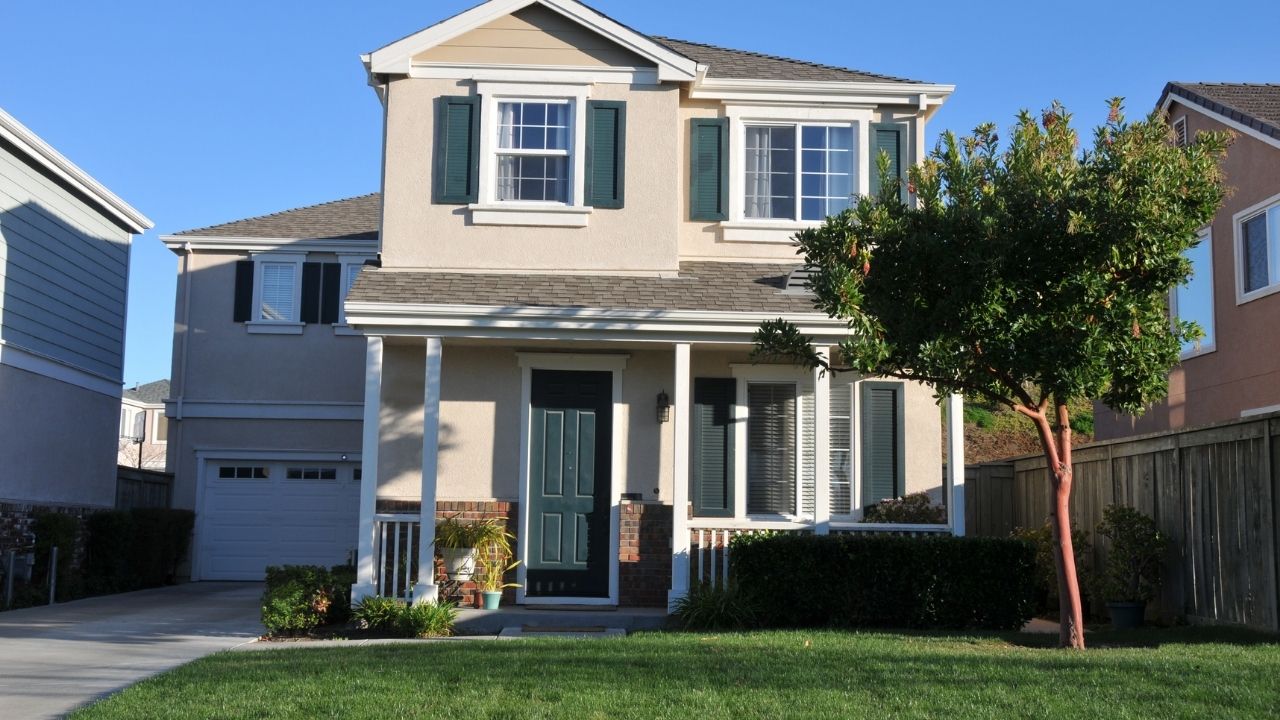
You moved, and now you own two things: a new address and a house in Canton or Woodstock you haven't decided what to do with. The rent vs sell Atlanta question doesn't have one right answer. It has a right answer for your numbers, your timeline, and how much you want a tenant's 11 pm text about the water heater.
We field this call constantly. An owner asks: should I rent out my house, or list it and walk away with the equity? Below is the framework we at Purple Door Property Management walk owners through before they decide anything, and it's the same framework built into the free rent-vs-sell calculator on our site.
The Cherokee County Version of This Question
Canton's population hit an estimated 41,957 in 2026, up 25.62% since the 2020 census. County-wide, Cherokee has gone from about 90,000 residents in 1990 to close to 300,000 today. Northside Hospital Cherokee alone employs more than 4,200 people, and county unemployment sat near 2.2% this spring.

If you own a house here, you own a piece of one of the fastest-growing counties in metro Atlanta, and that fact belongs in your math whether you keep the house five more years or sell it in five months.
Here's the catch. Canton's owner-occupancy rate is about 55.6%, well below the 77.3% county-wide figure. More of the housing stock inside city limits is already rented than owned.
What Renting Out Your House Actually Pays
Cherokee County rents currently run near $1,655 for a one-bedroom, $1,961 for a two-bedroom, $2,270 for a three-bedroom, and $2,766 for four-plus-bedroom units. Most of the owners we work with hold single-family homes valued between $300,000 and $600,000 that lease somewhere between $1,900 and $2,800 a month.
That's your gross rent number. Cash flow is what's left after mortgage, taxes, insurance, management fees, and maintenance reserve come out of it.
Here's the part that surprises accidental landlords: apartment rents in the county have been softening year over year, while larger single-family homes, especially 3BR and 4BR, keep climbing. If your house has three or four bedrooms, you're competing in the segment of the market that's still gaining ground, not losing it.
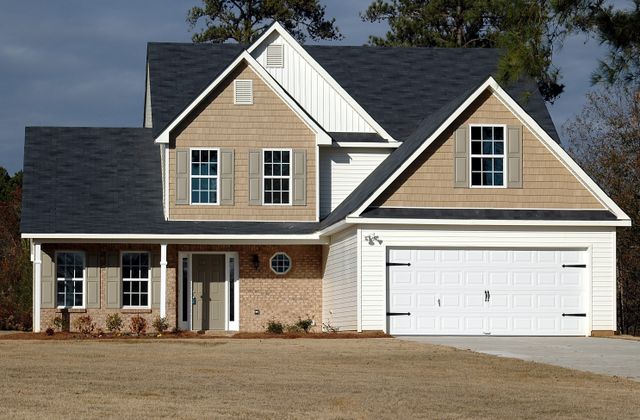
There are also 200-plus active new-construction communities across Canton and Cherokee County right now. That's real competition if your house is older or hasn't been updated. A rent-ready home- fresh paint, working HVAC, clean carpet or floors- wins the lease against a builder-grade rental faster than a home that looks like it's been sitting.
What Selling Actually Nets You
Selling gives you one number, once. Take your sale price, subtract the agent commission (typically 5 to 6%), closing costs, any repairs the buyer's inspection turns up, and your remaining mortgage balance. What's left is your net proceeds, available today, in full, with no tenant risk attached.
Renting gives you a smaller number every month, plus whatever the house appreciates while you hold it, plus the tax benefits of depreciation. It's a bet on time. Selling is a bet on now.
Georgia's market has rewarded owners who've held through the last several years. If you bought before 2021, you're likely sitting on real equity. The question isn't whether that equity exists. It's whether you'd rather cash it out today or keep it working as a rental while the county keeps growing.
Learn More About Our Services!
Taxes: Depreciation Recapture and the 1031 Question
This is where a lot of owners get caught off guard. If you've rented the home for any stretch of time, you've been claiming (or should have been claiming) depreciation, and the IRS wants some of that back when you sell. Depreciation recapture is taxed at up to 25%, on top of any capital gains tax on the appreciation itself.

There's a workaround if you're planning to keep investing in real estate: a 1031 exchange lets you roll the proceeds from a sale into another investment property and defer both the capital gains and the recapture tax. It comes with strict timelines: 45 days to identify a replacement property, 180 days to close, so it's not a decision you make the week before closing.
If you've lived in the home as your primary residence for two of the last five years, you may also qualify for the Section 121 exclusion, which shields up to $250,000 of gain ($500,000 for married couples) from capital gains entirely. That exclusion window closes the longer you rent the house out, so timing matters more than most owners expect.
Appreciation vs Cap Rate: Running the 2026 Numbers
Selling locks in today's price. Renting bets that price keeps rising while you also collect monthly cash flow. Georgia remains a landlord-friendly state, with no statewide rent control and one of the faster eviction processes in the country if a tenancy goes bad. That's a meaningful protection if you're weighing the risk side of the decision.
Run the comparison honestly. Take your expected annual rent, subtract realistic expenses (management, maintenance, vacancy, insurance, taxes), and divide by what the home would sell for today. That's your cap rate, your return if the house never appreciated another dollar.
.jpg)
Then ask what you think the home does over the next five years in a county still adding residents at nearly 3% a year. If your cap rate is thin and you don't believe in the appreciation story, selling probably wins. If the cap rate is healthy and you're in a growth corridor like the I-575 stretch through Canton and Woodstock, renting has a real argument.
The Landlord Involvement Question
Here's the part spreadsheets skip. Do you actually want to be a landlord? Do you know Georgia's notice periods for a dispossessory filing? Who takes the call when a tenant's AC dies on a July afternoon? If the honest answer is "I don't want any of that," renting the house out yourself isn't the right plan, even if the numbers work.
That's the whole reason full-service management exists. We treat your home as our own because we've been investors ourselves, and we know the difference between owning a rental and running one.
A qualified resident, screened against published criteria (3x gross monthly income, a 600 credit floor, a seven-year eviction lookback, verifiable income only), pays on time, stays past year one, and takes care of the place.
Our Security Deposit Substitute Program lowers a resident's move-in cost and widens the pool of qualified applicants without leaving your home unprotected. And if a simple, uncontested eviction ever does happen, we cover the cost.
When Renting Makes Sense
Renting tends to win for owners with a 3BR or 4BR home in a growth area like Canton, Woodstock, or the broader I-575 corridor, modest remaining equity, and no urgent need for a lump sum. It also wins for owners who want a professional buffer between themselves and the property, not a second job.
When Selling Makes Sense
Selling tends to win for owners with a smaller condo or townhome in a softening rental segment, a large equity position they'd rather deploy elsewhere, or an approaching Section 121 exclusion deadline they don't want to miss.
If you're leaning toward selling, we don't handle sales ourselves, but our referral relationships exist precisely for that: an agent you work with keeps you as their client; we just help you make sure renting genuinely isn't the better option first.
Bottom Line
You don't have to figure this out alone or guess at your numbers. Get a free rental price analysis to see what your home could actually rent for, or fill out our free property consultation form, and we'll walk through the rent-vs-sell math together, no obligation attached. Call Purple Door Property Management at 770.771.6122 or enter your address online to get started.
Frequently Asked Questions About Renting or Selling Property in Atlanta
Should I Rent Out My House or Sell it in Atlanta Right Now?
It depends on your bedroom count, your equity, and your tax situation. Larger homes in growth areas like Cherokee County tend to favor renting; smaller units in softer segments often favor selling. Run your specific numbers before deciding either way.
What Taxes Do I Owe if I Sell a Rental Property in Georgia?
You may owe capital gains tax on the appreciation and depreciation recapture of up to 25% on any depreciation you've claimed. A 1031 exchange can defer both if you reinvest in another property. Talk to a CPA about your specific basis and filing status.
How Much Rent Can I Get for My House in Cherokee County?
Cherokee County rents currently run around $2,270 for a three-bedroom home and $2,766 for four-plus bedrooms, though condition and location shift that number significantly. Request a free rental price analysis for an exact estimate on your address.
Do I Need to Hire a Property Manager if I Decide to Rent Instead of Sell?
You don't need to, but most out-of-state and first-time landlords find the legal and maintenance workload heavier than expected. Full-service management handles screening, rent collection, maintenance, and eviction protection so you're not doing it alone.
What is the Section 121 Exclusion and Does it Affect My Decision?
It lets you exclude up to $250,000 ($500,000 if married) of capital gains from taxes if you lived in the home as your primary residence for two of the last five years. Renting the house out too long can close that window, so timing your decision matters.